
Postural Physiotherapy: How It Helps Improve Posture and Movement

Updated: 7 days ago
Posture plays an important role in how we sit, stand, walk, work, and perform everyday activities. While there is no single posture that is ideal for everyone, certain movement patterns, muscle imbalances, or mobility limitations may affect how comfortably a person moves.
Postural physiotherapy focuses on understanding these individual factors through assessment and personalized physiotherapy care. A physiotherapist may evaluate posture, strength, flexibility, joint mobility, balance, and movement patterns before recommending appropriate exercises or treatment.
Rather than simply trying to “fix” posture, physiotherapy for posture focuses on helping individuals develop comfortable, efficient movement patterns that support their daily activities and physical goals.
What is Postural Physiotherapy?
Postural physiotherapy is an individualized approach to physiotherapy that looks at how posture, movement, muscle function, flexibility, and joint mobility work together.
During posture physiotherapy, a physiotherapist may assess how you sit, stand, walk, bend, reach, or perform other activities. The assessment can help identify physical factors that may be affecting movement or contributing to discomfort.
Posture naturally varies from person to person. Factors such as body structure, activity level, previous injuries, work habits, strength, flexibility, and daily routines can all influence posture.
Unlike general posture advice, postural physiotherapy provides recommendations based on an individual's assessment, needs, and goals. Treatment may include exercises, mobility work, movement retraining, manual therapy where appropriate, and practical recommendations for daily activities.

What is a Postural Assessment?
A postural assessment is an evaluation performed by a physiotherapist to better understand an individual's posture and movement patterns.
Depending on the person's needs, the assessment may consider:
Spine and pelvic position
Shoulder and hip alignment
Muscle strength
Muscle flexibility
Joint mobility
Balance
Coordination
Movement patterns
Functional activities
For example, a physiotherapist may observe how you sit at a desk, stand from a chair, walk, squat, or reach overhead. These observations can provide useful information about movement and functional limitations.
The findings from a postural assessment can then be used to develop an individualized treatment plan. The goal is not necessarily to make every person hold the same posture, but to address relevant strength, mobility, movement, or functional concerns.
Who Can Benefit From Postural Physiotherapy?
Postural physiotherapy may be appropriate for people with different activity levels and lifestyles. It may be particularly useful for individuals who notice changes in movement or discomfort during specific activities.
People who may benefit include:
Individuals who spend long hours sitting or working at a desk
People experiencing muscle tightness or reduced mobility
Individuals with recurring neck, shoulder, or back discomfort
People who have difficulty maintaining comfortable positions
Athletes looking to improve movement mechanics
Individuals returning to activity after an injury
People experiencing movement limitations during daily activities
Poor posture is not always the cause of pain or discomfort. Symptoms can have multiple contributing factors, so an individualized assessment can help determine which physical factors may be relevant to a person's concerns.
Common Signs That You May Need Postural Physiotherapy
Some people seek physiotherapy because they notice discomfort or movement changes during everyday activities. Common concerns may include:
Difficulty maintaining a comfortable sitting or standing position
Muscle tightness
Reduced flexibility
Limited joint mobility
Uneven movement patterns
Discomfort after prolonged sitting
Discomfort while standing for extended periods
Fatigue during certain activities
Difficulty performing specific movements
These signs do not necessarily indicate a posture problem. However, if they persist or interfere with daily activities, a physiotherapist can assess your movement and help determine whether physiotherapy may be appropriate.
How Does Postural Physiotherapy Work?
The first step is generally an assessment. Your physiotherapist may discuss your symptoms, daily activities, work environment, exercise routine, previous injuries, and treatment goals.
Based on the assessment, your treatment plan may include:
Individualized Exercise Programs
Exercises can be selected according to your strength, flexibility, mobility, and functional needs.
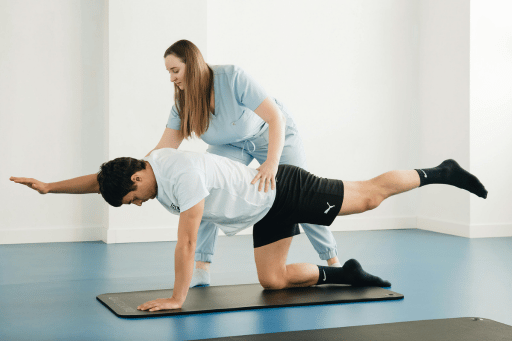
Strengthening Exercises
Strengthening may focus on areas such as the core, upper back, shoulders, hips, or other muscle groups relevant to your movement.
Mobility and Flexibility Exercises
Mobility exercises and stretching may be used when limited movement or muscle flexibility is identified during assessment.
Movement Retraining
A physiotherapist may guide you through specific movements to help you develop greater awareness and control during daily or physical activities.
Manual Therapy
Manual therapy may be included when clinically appropriate as part of a broader physiotherapy treatment plan.
Ergonomic Recommendations
For people who work at a desk or spend significant time using computers, recommendations may include workstation adjustments, positioning strategies, and regular movement breaks.
Exercises Used in Postural Physiotherapy
There is no single set of posture exercises that is suitable for everyone. Exercises should be selected based on an individual's assessment, physical abilities, symptoms, and goals.
Depending on your needs, a physiotherapist may recommend exercises involving:
Core strengthening
Upper-back strengthening
Shoulder mobility
Hip mobility
Stretching
Balance exercises
Movement-control exercises
Functional strengthening
For example, someone with reduced upper-body mobility may need a different exercise program from someone who has reduced hip mobility or lower-body strength.
Consistency is also important. Your physiotherapist may provide a home exercise program and explain how frequently the exercises should be performed.
Benefits of Postural Physiotherapy
The potential benefits of physiotherapy for posture depend on the individual's concerns and treatment goals. Physiotherapy may help support:
Better awareness of movement and positioning
Improved strength
Improved flexibility and mobility
Greater movement control
Functional movement during daily activities
Healthier movement habits
Comfortable participation in work, exercise, and other activities
The purpose of posture correction physiotherapy is not necessarily to achieve a rigid or permanent posture. Instead, treatment can help you develop the strength, mobility, awareness, and movement strategies needed for your individual activities.
What to Expect During a Postural Physiotherapy Session
Your first session will generally begin with a discussion about your concerns, daily activities, work requirements, physical activity, and treatment goals.
A physiotherapist may then perform a postural assessment and evaluate relevant aspects of movement, such as:
Posture and positioning
Joint mobility
Muscle strength
Flexibility
Balance
Movement patterns
Functional activities
Your physiotherapist can use these findings to develop a personalized treatment plan. Depending on your needs, this may include exercises, mobility work, movement retraining, manual therapy, ergonomic recommendations, and a home exercise program.
Progress can be reviewed during follow-up appointments, and the treatment plan may be adjusted as your strength, mobility, or functional abilities change.
When Should You See a Physiotherapist for Posture?
Consider speaking with a physiotherapist if posture or movement concerns are affecting your daily activities, work, exercise, or overall comfort.
You may benefit from an assessment if you experience:
Persistent discomfort
Reduced mobility
Difficulty performing everyday activities
Recurring symptoms associated with certain positions or movements
Difficulty with prolonged sitting or standing
Movement limitations during exercise or sports
Concerns about workplace posture or ergonomics
A physiotherapist can assess your individual movement patterns and determine whether physiotherapy for posture correction is appropriate for your needs.
Conclusion
Postural physiotherapy focuses on more than simply trying to maintain a particular posture. It considers the relationship between posture, movement, strength, flexibility, joint mobility, and daily activities.
Through an individualized postural assessment, a physiotherapist can identify relevant physical factors and develop a treatment plan that may include strengthening, mobility exercises, movement retraining, manual therapy, and ergonomic recommendations.
If you are experiencing discomfort, movement limitations, or concerns about your posture, consider speaking with a qualified physiotherapist. Physio Movement can assess your individual needs and provide personalized guidance to support comfortable movement and your everyday activities. Contact the clinic to learn more or book a physiotherapy assessment.
Author Bio
Ramachandiran (Rama) Krishnamoorthy is a Registered Physiotherapist with over 17 years of experience in musculoskeletal care, sports injuries, neurological conditions, and post-surgical rehabilitation. He provides personalized physiotherapy care focused on improving mobility, movement, strength, and function. His approach may include manual therapy, targeted exercises, movement training, and patient education to support individual rehabilitation goals.
Frequently Asked Questions
Can physiotherapy improve poor posture?
Physiotherapy can help address physical factors that may influence posture, such as strength, flexibility, mobility, and movement control. A physiotherapist can create an individualized plan based on your assessment and goals.
What happens during a postural assessment?
A physiotherapist may assess your posture, movement patterns, muscle strength, flexibility, joint mobility, balance, and functional activities. The findings can help guide an individualized treatment and exercise plan.
What exercises help improve posture?
Exercises may include core and upper-back strengthening, shoulder and hip mobility, stretching, balance, and movement-control exercises. The appropriate exercises depend on your individual assessment, physical abilities, and goals.
Can postural physiotherapy help desk workers?
Yes. Physiotherapy can help desk workers address relevant mobility, strength, movement, and ergonomic factors. A physiotherapist may also provide workstation recommendations, movement breaks, and individualized exercises.
How long does postural physiotherapy take to work?
The time required varies between individuals and depends on factors such as the reason for treatment, physical condition, consistency with exercises, daily activities, and individual treatment goals.
Can physiotherapy help with poor posture?
Physiotherapy can help address factors related to posture, including muscle strength, flexibility, mobility, and movement control. Treatment is individualized rather than based on achieving one fixed or “perfect” posture.
Can postural alignment affect neck and back discomfort?
Postural alignment may be one factor associated with how a person moves or experiences discomfort, but neck and back symptoms can have multiple contributing factors. An assessment can help identify relevant physical factors.
Is postural physiotherapy suitable for desk workers?
Postural physiotherapy may be suitable for desk workers who have concerns about movement, mobility, discomfort, or workplace ergonomics. A physiotherapist can provide recommendations based on the individual's activities and assessment.
Can postural physiotherapy help improve movement and flexibility?
Postural physiotherapy may support movement and flexibility through individualized mobility exercises, strengthening, stretching, and movement retraining based on the person's physical needs and treatment goals.


Comments