
TENS Machine in Brampton
Looking for a TENS machine in Brampton? At Physio Movement, our registered physiotherapists help you decide whether a TENS machine suits your pain, choose a device that fits your needs, and learn how to use it safely at home. TENS may offer short-term relief from back, neck, joint, and muscle pain, and it works best when it is paired with a physiotherapy plan that addresses the cause of the problem.
TENS Machine Guidance from Registered Physiotherapists
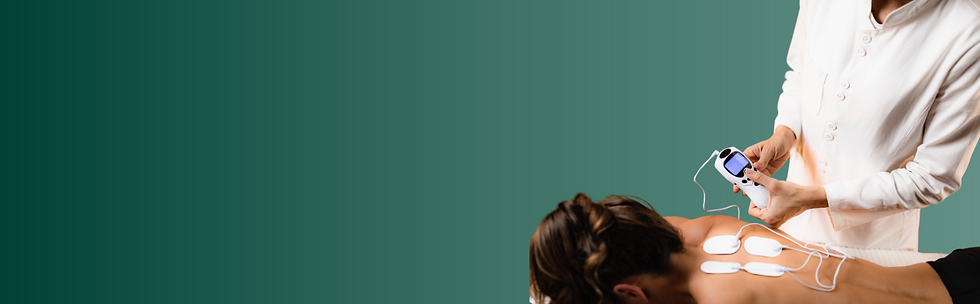
Physio Movement is a Brampton physiotherapy clinic where you can get hands-on help with TENS therapy, not just a box off a shelf. A TENS machine is a small, battery-powered device that sends gentle electrical pulses through pads on your skin. Many people feel a light tingling that may temporarily ease pain, which can make it easier to move, exercise, and get through the day.
The right device, pad placement, and settings depend on where your pain is and what is causing it, so we start by understanding your symptoms and medical history. If TENS looks like a good fit, your physiotherapist can show you how to use it and how to fit it into your recovery plan, so it supports your treatment instead of replacing it.
What is a TENS Machine and How Does It Work?
TENS stands for transcutaneous electrical nerve stimulation. The machine sends low-voltage pulses through sticky electrode pads placed on the skin near the painful area. These pulses may reduce the pain signals travelling to the brain and may encourage the body to release its own natural pain-relieving chemicals, called endorphins.
TENS is not a cure. It usually provides short-term relief while the unit is on, and results vary from person to person. That is why it is used alongside physiotherapy, exercise, and other care rather than on its own.
Pain Conditions a TENS Machine May Help Manage
Depending on your symptoms and medical history, your physiotherapist may suggest TENS to help manage:
-
Lower Back Pain
-
Neck & Shoulder Pain
-
Knee Pain & Osteoarthritis
-
Other Joint Pain (Hip, Elbow, Wrist)
-
Muscle Pain & Tension
-
Sports Injuries
-
Sciatica & Nerve-Related Pain
-
Post-Surgical Pain (With Your Surgeon’s Approval)
-
Persistent (Chronic) Pain
If you are not sure what is causing your pain, book an assessment before you start using TENS.
Types of TENS Machines
TENS machines come in several styles. Your physiotherapist will help you choose one that matches your pain, your daily routine, and your budget.

Single-Channel TENS Unit
A simple device designed to target one painful area, such as your lower back or knee, with adjustable stimulation settings.

Dual-Channel TENS Unit
Treat two areas or a larger painful area simultaneously, with separate intensity controls for each channel for personalized comfort.

TENS and EMS Combination Unit
Combines TENS pain relief and EMS muscle stimulation to support your physiotherapist’s recommended treatment approach.

Compact Portable TENS Unit
A lightweight, compact device that is easy to carry, making it convenient for use at work, home, or while travelling.
How to Use a TENS Machine Safely?
The exact settings and pad positions depend on your condition, so follow your physiotherapist’s instructions and the device manual. These general steps show what to expect.
1. Check That TENS Is Right for You
Before your first use, make sure TENS is suitable for you. If you are unsure what is causing your pain, or you have a medical condition or an implanted device, speak with a physiotherapist or doctor first.
2. Prepare Your Skin
Wash and dry the area where the pads will go, and avoid lotions or oils that can stop the pads from sticking. Check that the skin is intact.
3. Place the Pads
Place the pads on clean, intact skin around the painful area, as shown by your physiotherapist, and keep the pads from touching each other. Never place pads on broken or irritated skin, the front or sides of the neck, the head, the eyes, or the chest.
4. Connect the Leads and Start Low
With the unit switched off, connect the leads to the pads. Turn it on and raise the intensity slowly until you feel a strong but comfortable tingling. TENS should not hurt.
5. Use It for the Recommended Time
Follow your physiotherapist’s and the manufacturer’s guidance. Many sessions last about 15 to 30 minutes. Do not use TENS while driving, sleeping, or in the bath or shower.
6. Switch Off Before Removing the Pads
Turn the unit off before you lift or move the pads, then check your skin. If it becomes red, itchy, or irritated, stop using the machine and ask your physiotherapist for advice.
Who Should Not Use a TENS Machine?
TENS is safe for many people when it is used correctly, but it is not suitable for everyone. Do not use a TENS machine, or speak with a healthcare professional first, if you have:
-
A pacemaker or another implanted electronic device
-
Epilepsy
-
Pregnancy, unless a healthcare professional has advised you otherwise
-
Broken, irritated, infected, or numb skin where the pads would go
-
Pain in the front or sides of the neck, head, eyes, or chest area
-
Pain with an unknown cause, or new, severe, or worsening symptoms
-
Stop using the machine and contact a healthcare professional if your skin becomes irritated or your symptoms get worse.
Benefits and Limits of TENS Therapy
-
Potential Benefits
-
A drug-free option that may help manage certain types of pain
-
Portable and easy to use at home or at work
-
Adjustable intensity so you can find a comfortable setting
-
May make it easier to move, exercise, and take part in physiotherapy
-
-
Limits to Keep in Mind
-
TENS does not cure pain or treat its underlying cause
-
Relief is usually short-term and lasts while the unit is on or for a short time afterward
-
Results vary from person to person, and TENS does not work for everyone
-
It should not replace assessment, exercise, or hands-on physiotherapy
-

Why Choose Physio Movement for Your TENS Machine?
At Physio Movement, our registered physiotherapists help you explore TENS machine options based on your condition, comfort, and pain management goals. We provide personalized guidance to help you understand how a TENS machine may fit into your care plan.
Our team explains important aspects of TENS machine use, including electrode pad placement, device settings, and safe-use practices. We also help you compare device features so you can choose an option that suits your needs.
Whether you are purchasing your first TENS machine or need help understanding how to use one, Physio Movement offers professional guidance and support to help you feel more confident.
Meet Our Physiotherapist
Ramachandiran Krishnamoorthy
Meet Ramachandiran Krishnamoorthy, a Registered Physiotherapist with a wealth of experience spanning over 17 years. He earned his Bachelor’s degree in physiotherapy in 2005 and completed his Master’s degree in physiotherapy in 2008. Ramachandiran has experience in working with a diverse range of clients, including those with Musculoskeletal, Neurology, Sports Injuries, and post-surgical rehabilitation needs. Rama’s treatment philosophy centers around tailoring individualized plans for each client. These plans incorporate manual therapy, customized exercises, and educational components aligned with the client’s specific goals. He is committed to ongoing learning and training to stay updated with the latest developments in the field, ultimately striving to enhance his clients’ overall function. Languages: English and Tamil

Frequently Asked Questions
Contact Us
Get in touch with us today to book an appointment or inquire about our services. We are here to assist you on your path to recovery.