
Cracked Pelvis in Elderly: Symptoms, Treatment, Recovery & Physiotherapy

Updated: Jul 29
As we age, our bones naturally lose density and strength a process that speeds up significantly for people with osteoporosis. This means that injuries which might barely bruise a younger adult can be enough to crack a pelvis in an older one. In fact, something as simple as a slip getting out of the shower or a stumble on an uneven sidewalk is often all it takes.
A pelvic fracture is a serious injury at any age, but in older adults it carries extra weight both literally and in terms of the impact it can have on independence and quality of life. In this guide, we'll walk through what a cracked pelvis actually is, why it happens more often as we get older, how it's diagnosed and treated, what recovery typically looks like, and how physiotherapy helps older adults get back on their feet safely.
What is a Cracked Pelvis?
The pelvis is a ring-shaped structure made up of three bones: the sacrum at the base of the spine, and two hip bones (each formed from the ilium, ischium, and pubis) that wrap around to meet at the front. Together, this ring supports the weight of the upper body and shields organs like the bladder and bowel which is why it's built to be one of the sturdiest parts of the skeleton.
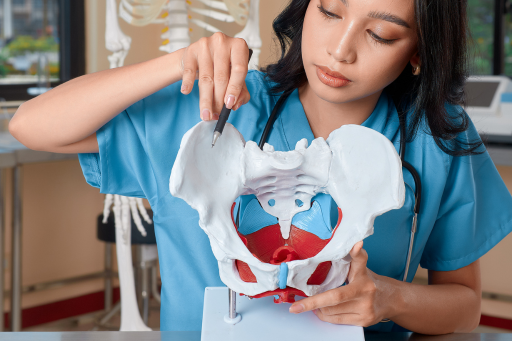
A "cracked pelvis" is simply everyday language for a pelvic fracture: a break somewhere in that ring. Not all pelvic fractures look the same, though. Doctors generally sort them into two categories:
Stable fractures: Only one point in the ring is broken, and the bones stay roughly in their normal position. These are the type most commonly seen in older adults after a fall.
Unstable fractures: Multiple breaks occur around the ring, and the bone fragments shift out of alignment. These usually result from higher-force trauma, such as a car collision, and are more common in younger people.
Older adults are at greater risk mainly because bone density declines with age, and conditions like osteoporosis make the pelvis more brittle. A force that a younger, denser bone could absorb without issue may be enough to crack an older one.
What Causes a Cracked Pelvis in Elderly Adults?
A pelvic fracture in an older adult can come from a range of causes, though some are far more common than others:
Falls
By far the leading cause. A ground-level fall, such as tripping on a rug or slipping on a wet floor, is responsible for the majority of pelvic fractures in seniors.
Osteoporosis
This bone-thinning condition is present in the large majority of older adults who sustain a low-impact pelvic fracture, making bones far more susceptible to breaking from everyday movements.
General Bone Weakness
Even without a formal osteoporosis diagnosis, age-related bone loss can make the pelvis more fragile over time.
Car Accidents
Higher-force trauma can fracture the pelvis in older adults just as it can in younger people, though it's a less frequent cause than falls in this age group.
Sports or Physical Trauma
Uncommon in older adults, but still possible with a significant impact.
Cancer-Related Bone Weakness
Certain cancers that spread to bone can weaken the pelvis, making it more prone to fracture even with minimal force.
Symptoms of a Cracked Pelvis
Because the pelvis surrounds so many nerves, muscles, and joints, a fracture here tends to make its presence known quickly. Common symptoms include:
Hip pain
Groin pain
Buttock pain
Difficulty standing
Difficulty walking
Swelling
Limited mobility
Pain when moving the legs, even shifting position in bed
Symptoms can range from a dull ache that worsens with movement to sharp, severe pain that makes standing impossible. Any older adult who falls and then struggles to walk or bear weight should be evaluated promptly rather than assuming it's a simple bruise. Pelvic fractures aren't always obvious on the surface.
How is a Pelvic Fracture Diagnosed and Treated?
Diagnosis typically starts with a physical exam and imaging usually an X-ray, sometimes followed by a CT scan for a more detailed view if the fracture pattern is complex. Once confirmed, treatment depends on how stable the fracture is and the person's overall health.
Conservative treatment is the most common approach for stable fractures, and generally includes:
Rest, particularly in the initial days following the injury
Pain management, to keep the person comfortable enough to move and participate in therapy
Walking aids, such as a walker or crutches, to reduce load on the healing pelvis
Gradual weight-bearing, increasing the amount of weight placed through the legs over several weeks as healing progresses

Surgery is generally reserved for unstable fractures or cases involving significant displacement of the bone fragments. Because surgical risk tends to rise with age, doctors typically only recommend an operation when nonsurgical management isn't a safe or realistic option.
Physiotherapy plays a central role regardless of which path is taken. Rather than being an afterthought once the bone has healed, rehabilitation often begins early helping to protect against the complications of prolonged inactivity while guiding a safe return to movement.
How Physiotherapy Helps After a Pelvic Fracture
A structured physiotherapy program addresses far more than just the fracture itself. It supports the whole recovery process, including:
Pain Management
Using movement, positioning, and hands-on techniques to help keep discomfort manageable without over-relying on medication.
Mobility Restoration
Gradually reintroducing safe movement through personalized mobile physiotherapy sessions to prevent stiffness, improve strength, and reduce muscle loss caused by extended bed rest. Our physiotherapists provide convenient in-home care to help restore mobility, confidence, and independence.
Balance Training
Rebuilding the stability needed to stand and walk confidently, which is often affected after a fall-related injury.
Strengthening
Targeting the muscles around the hips, core, and legs that support the healing pelvis.
Gait Retraining
Correcting walking patterns that may have changed due to pain or the use of mobility aids.
Fall Prevention
Addressing the underlying factors that contributed to the original fall, to reduce the risk of it happening again.
Functional Independence
Working toward the everyday tasks that matter most, like getting in and out of a chair, managing stairs, or walking to the bathroom unassisted.
Exercises After a Cracked Pelvis
Early-stage exercises are typically gentle and low-impact, designed to maintain circulation and prevent stiffness without stressing the healing bone. Examples a physiotherapist might introduce include:
Ankle Pumps
Gentle Heel slides
Glute Squeezes
Pelvic Tilts (only when specifically recommended by your therapist)
Seated Marching
Standing Balance Exercises
It's worth emphasizing: these exercises should only be performed under the guidance of a qualified physiotherapist. The right exercise, at the wrong stage of healing, can do more harm than good; your therapist will tailor progression to your specific fracture and recovery timeline.
How to Prevent Pelvic Fractures in Older Adults
While not every fall can be avoided, several strategies can meaningfully lower the risk of a pelvic fracture:
Weight-Bearing Exercise
Activities like walking help maintain bone density and muscle strength over time
Bone Health
Regular monitoring, especially for those with or at risk of osteoporosis
Calcium and Vitamin D
As advised by a healthcare provider, to support bone strength
Balance Training
Ongoing practice to reduce fall risk, particularly for those who've had a previous fall
Home Safety Modifications
Removing tripping hazards, adding grab bars, and improving lighting in high-risk areas like bathrooms and stairways
Regular vision checks
Since poor eyesight is a common, often overlooked contributor to falls
When Should You See a Physiotherapist?
Physiotherapy can typically begin as soon as your healthcare provider confirms it's safe to do so often earlier than many people expect. Starting rehabilitation early, even with very gentle movement, may help improve mobility, strength, and confidence while lowering the risk of complications and future falls. Waiting too long to move, on the other hand, can make recovery harder in the long run.
Conclusion
A cracked pelvis is a significant injury, especially for older adults, but it's one that most people recover well from with the right care. Getting a prompt diagnosis, following your treatment plan, and committing to a structured physiotherapy program all make a real difference in how and how well you regain your mobility and independence.
If you or a loved one is recovering from a pelvic fracture, our team at Physio Movement can help determine the most appropriate treatment and rehabilitation approach for your situation. Book an assessment with us to get started on a safe, personalized recovery plan.
About the Reviewer
Rama is a Registered Physiotherapist with over 17 years of experience. He earned his Bachelor's degree in physiotherapy in 2005 and completed his Master's degree in physiotherapy in 2008. He has worked with a diverse range of clients, including those with musculoskeletal conditions, neurological conditions, sports injuries, and post-surgical rehabilitation needs.
Rama's treatment philosophy centers on tailoring individualized plans for each client, incorporating manual therapy, customized exercises, and patient education aligned with each person's specific goals. He's committed to ongoing learning to stay current with developments in the field.
The information on this page is intended for general educational purposes and does not replace individualized medical advice, diagnosis, or treatment. Always consult a qualified healthcare professional regarding any injury or medical condition.
Frequently Asked Questions
Can an elderly person recover fully from a cracked pelvis?
Many older adults do recover well, particularly with stable fractures, prompt treatment, and consistent physiotherapy. Recovery time and the extent of full function regained can vary based on the severity of the fracture and the person's overall health.
How long does a cracked pelvis take to heal in older adults?
Bone healing for a stable, uncomplicated fracture generally takes several weeks to a few months, though full functional recovery, regaining strength, balance, and confidence can take longer, especially for more severe fractures.
Is walking good for a cracked pelvis?
Gradual, guided walking is often an important part of recovery once your healthcare provider confirms it's safe, but it should be introduced progressively and with appropriate support, not on your own timeline.
Can a cracked pelvis heal without surgery?
Yes, many stable pelvic fractures heal well with conservative treatment, including rest, pain management, walking aids, and gradual weight-bearing, without requiring surgery.
What are the first signs of a pelvic fracture?
Common early signs include pain in the hip, groin, or buttock area, difficulty standing or walking, swelling, bruising, and pain when moving the legs.
When should physiotherapy begin after a pelvic fracture?
Physiotherapy can often start once your healthcare provider determines it's medically safe, which may be sooner than many people assume. Early, guided movement tends to support better outcomes.
Are pelvic fractures dangerous in older adults?
They can be, particularly if mobility is severely limited for an extended period, which raises the risk of complications. This is part of why early, supervised movement and a proper treatment plan are so important.
Can osteoporosis increase the risk of a pelvic fracture?
Yes. Osteoporosis significantly weakens bone, and it's a major contributing factor in pelvic fractures among older adults, particularly those resulting from relatively minor falls.
What exercises are safe after a cracked pelvis?
This depends entirely on the individual fracture and stage of healing. Gentle movements like ankle pumps, heel slides, and glute squeezes are commonly used early on, but any exercise program should be guided by a physiotherapist.
When should I seek emergency medical attention?
Seek emergency care immediately after any fall involving significant pelvic, hip, or groin pain, an inability to stand or bear weight, or if there's any blood in the urine; this last symptom in particular can indicate a more serious internal injury.


Comments